She Would Have Ruled the World
Want to listen to the article instead? Tune into Spotify.
She's a woman who would have openly—not covertly, not quietly—ruled the world if she had been born a man. She is ambitious, smart, and seeks transcendence as much as the next great worldly experience.
She wants it all but has come to understand that she can't have it all at the same time. This has created a constant and existential sense of hurry inside her. She doesn't like that feeling, but cannot seem to get rid of it.
But she's not totally wrong about time ticking away. It took four decades for her to come to terms with her wants and accept herself as a creature that is so full of desire. So now, understandably, she's in a bit of a hurry to create the powerful second half—the one that satisfies not only her worldly ambitions but also the yearnings of her soul.
She looks back at the first forty or fifty years of her life, and she's proud of what she's created. A marriage, a family, children, a career—perhaps all of them, though even one on this list is an achievement. She's done a lot.
So why does she feel like there's still something missing from her everyday existence? It's not that she's disappointed or unhappy. It's not that she's ungrateful or lacking in any measurable way.
It's a feeling—and it's one she wakes up and goes to sleep with every night.
I know it so well.
I've been that woman.
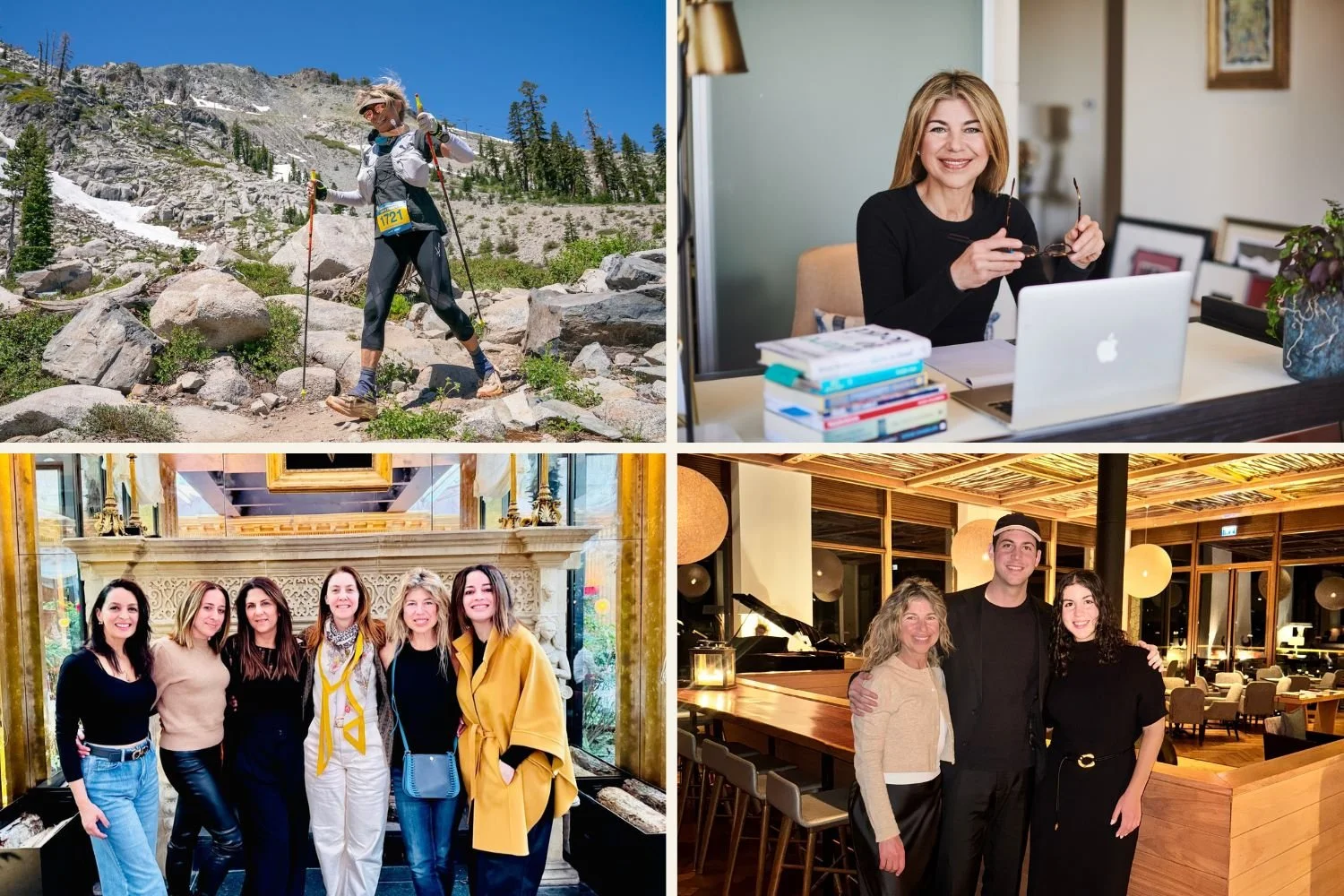
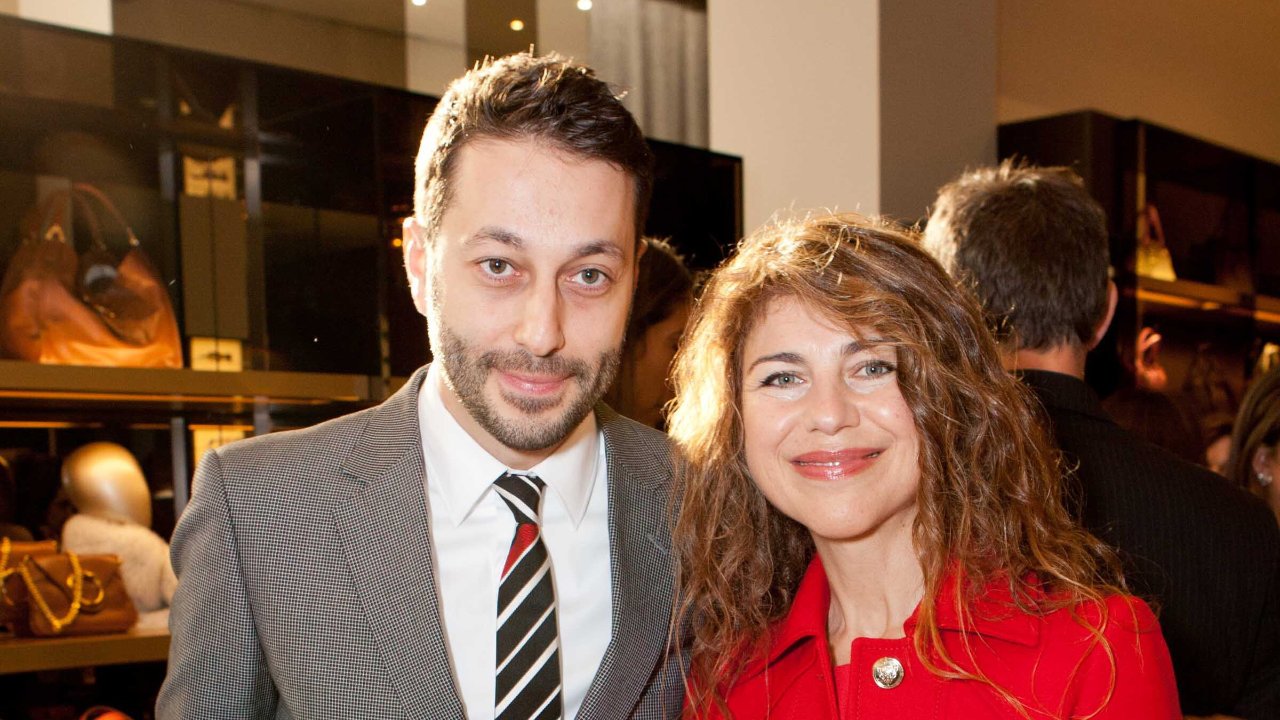
By ten, I was ready to skip a grade. By sixteen, I had opened my first business. And even after seventeen years of running it, I wasn't going to relax after selling it. The voice inside me urged me to rush to the next thing, which turned out to be another decade of working for some of the world's top luxury brands.
In those years, I got married, gave birth to two kids, divorced, and raised them largely on my own. I worried about being single and repeated the same pattern of dating the wrong men that I had perfected before my marriage. To the outside world, I appeared high-achieving, in control, unflappable.
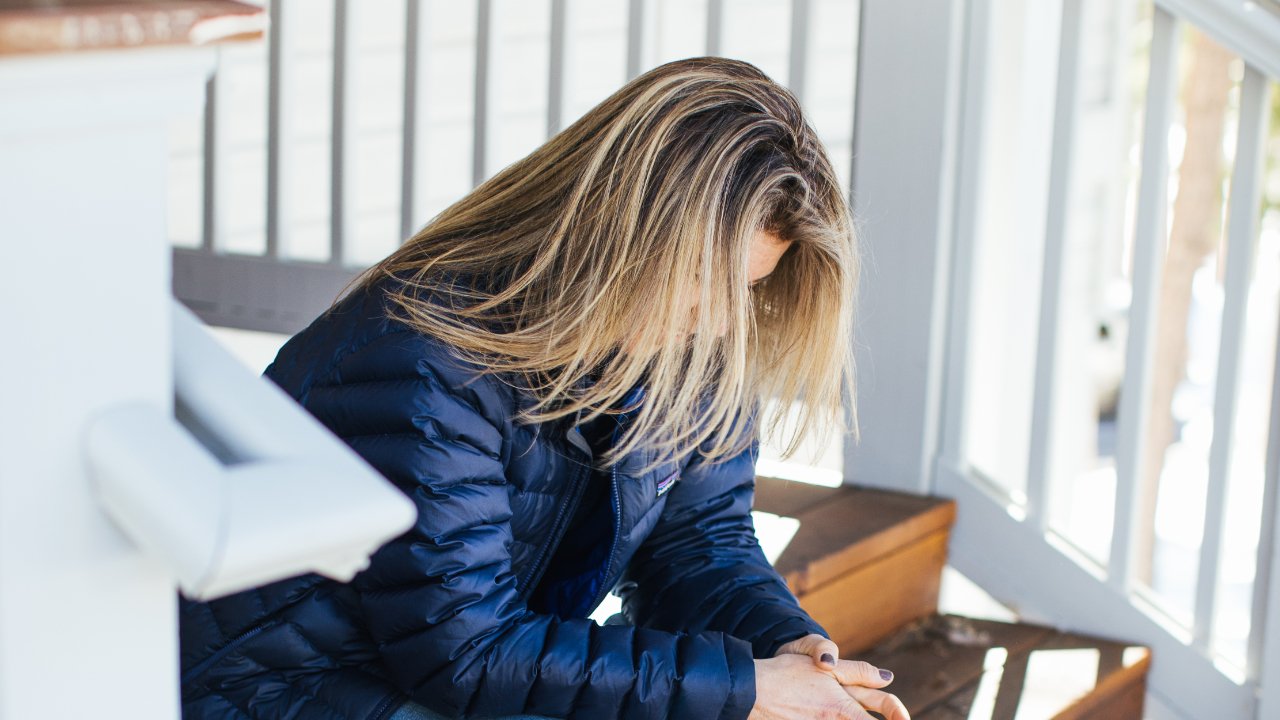
Inside, everything was crumbling. And I didn't know why.
I think so many of us believe that life transitions look something like this: I was found. And then I found my new thing.
The truth—at least my truth—looked nothing like that.
It was: I was found. Then I was totally lost and struggling. I had no idea what was next for me. I got help— both human and divine. And slowly, slowly, I was found again.
When I decided to go all in as a professional coach, people told me to pick a niche. Having spent decades in marketing and brand positioning, I knew they were right. But I didn't want to narrow it. I just wanted to support anyone who genuinely wanted to change their life.
And then, without my engineering it, a certain kind of woman started finding me. You see, women are smart and intuitive. We can smell a performance from a mile away. When one of my women meets me, she knows I've earned my stripes. Not because I present a polished résumé, but because when I describe the crumbling—the years of not knowing, the silent unraveling behind the shiny exterior—she recognizes it. Either because of past experience or because she's living her own version of it right now.
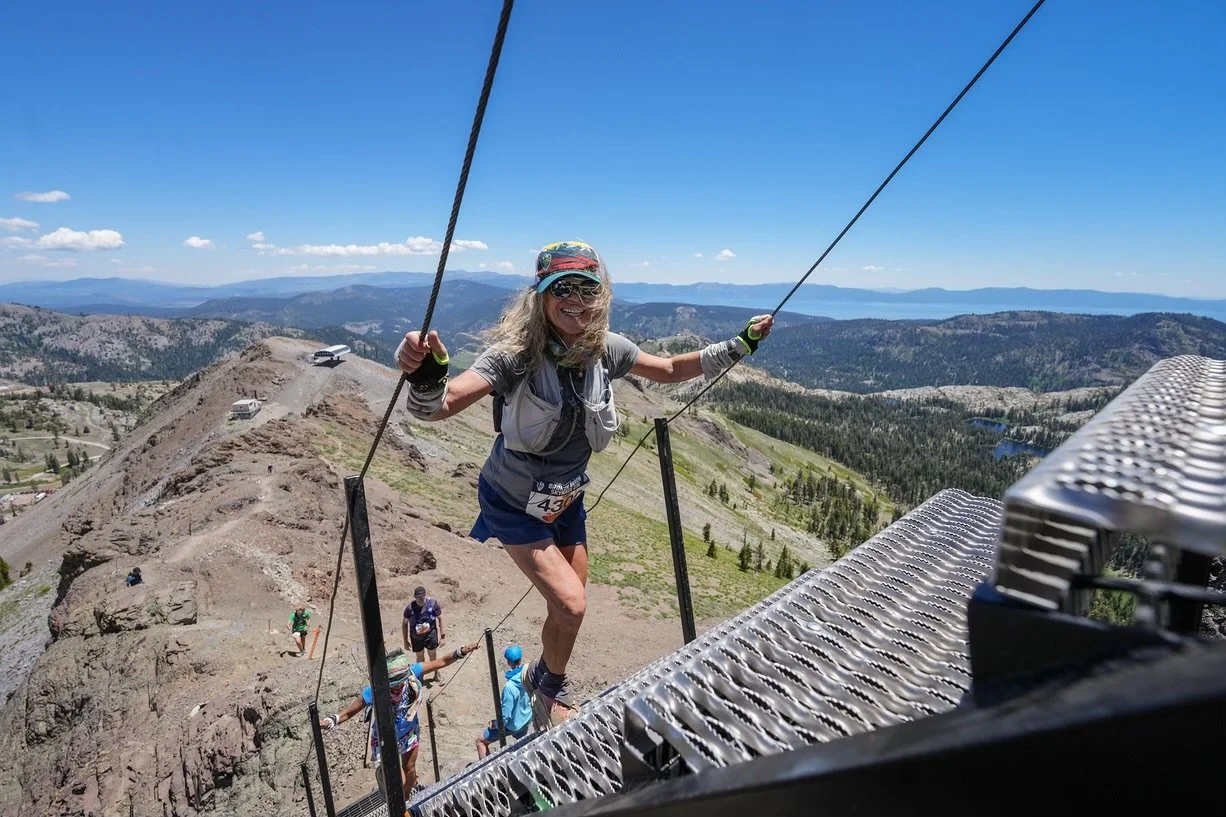
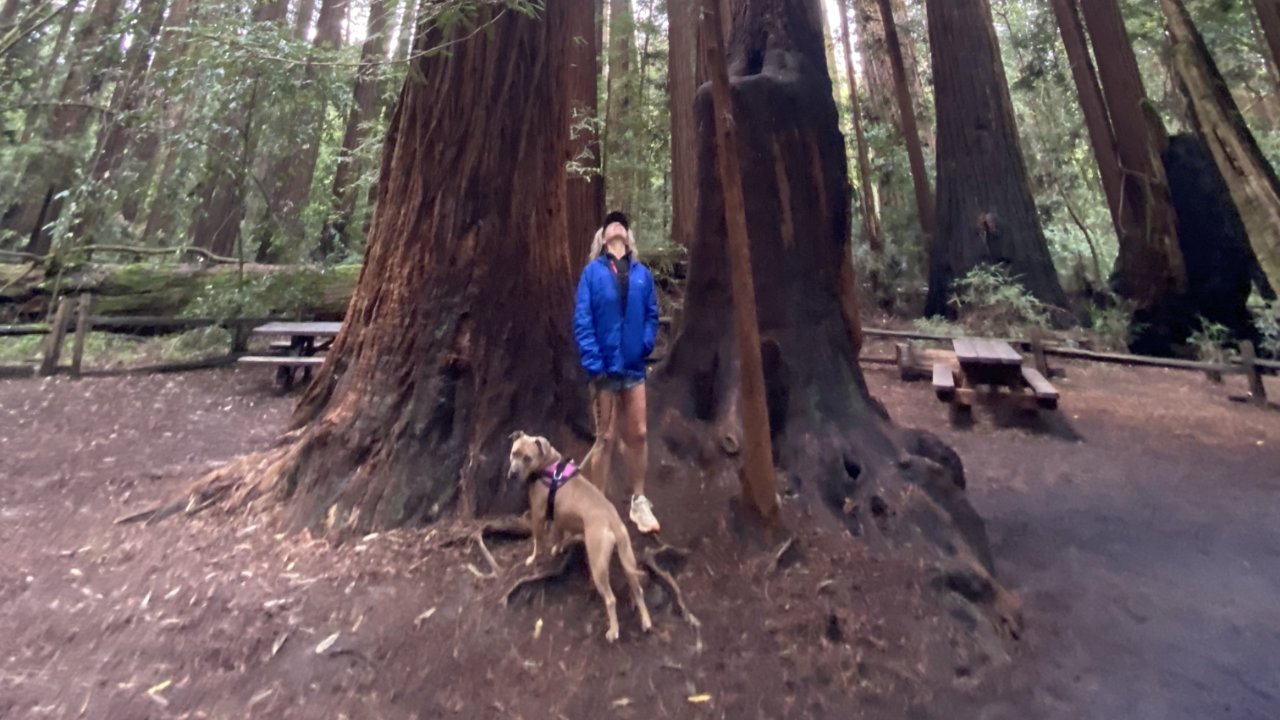
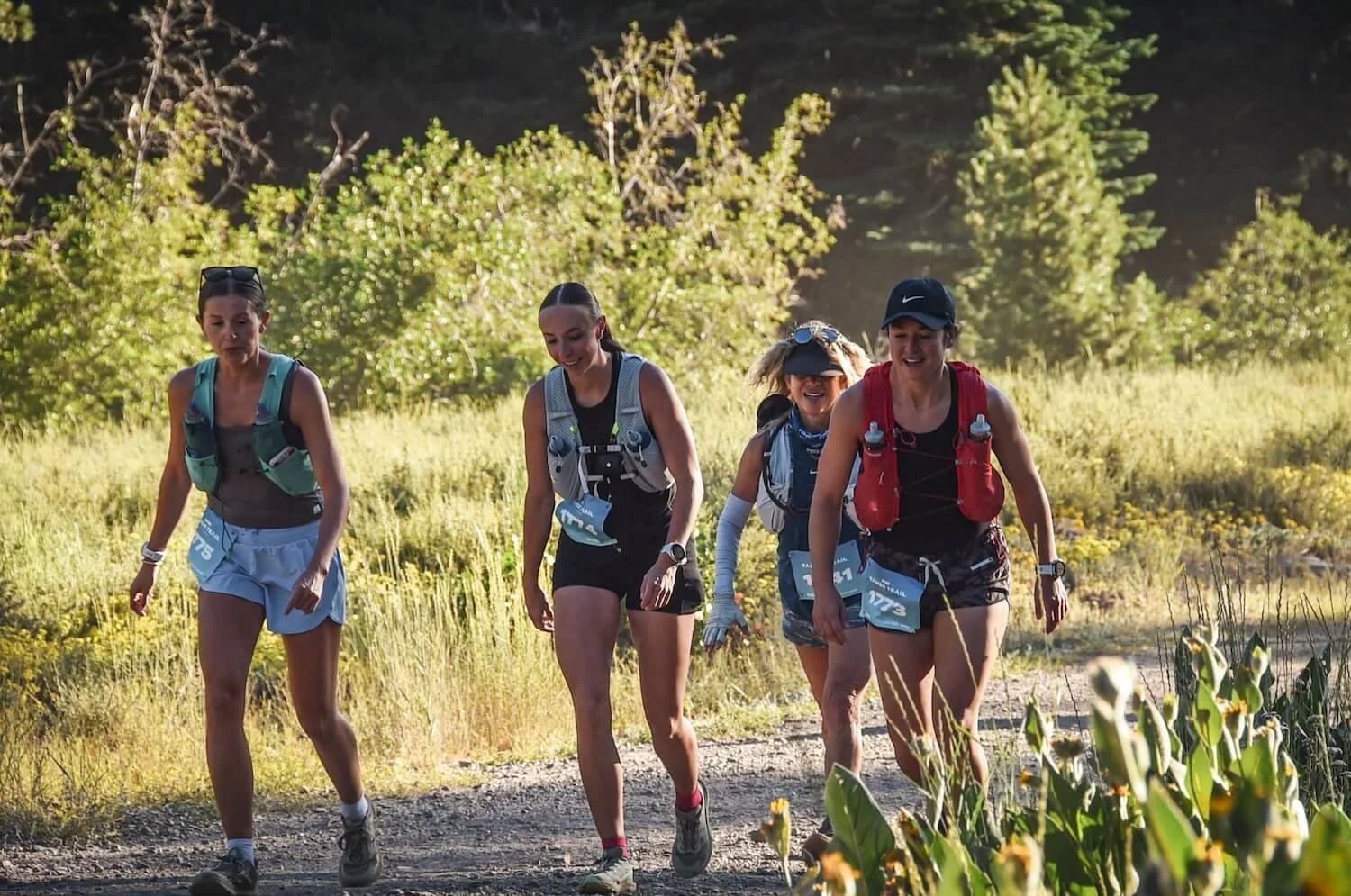
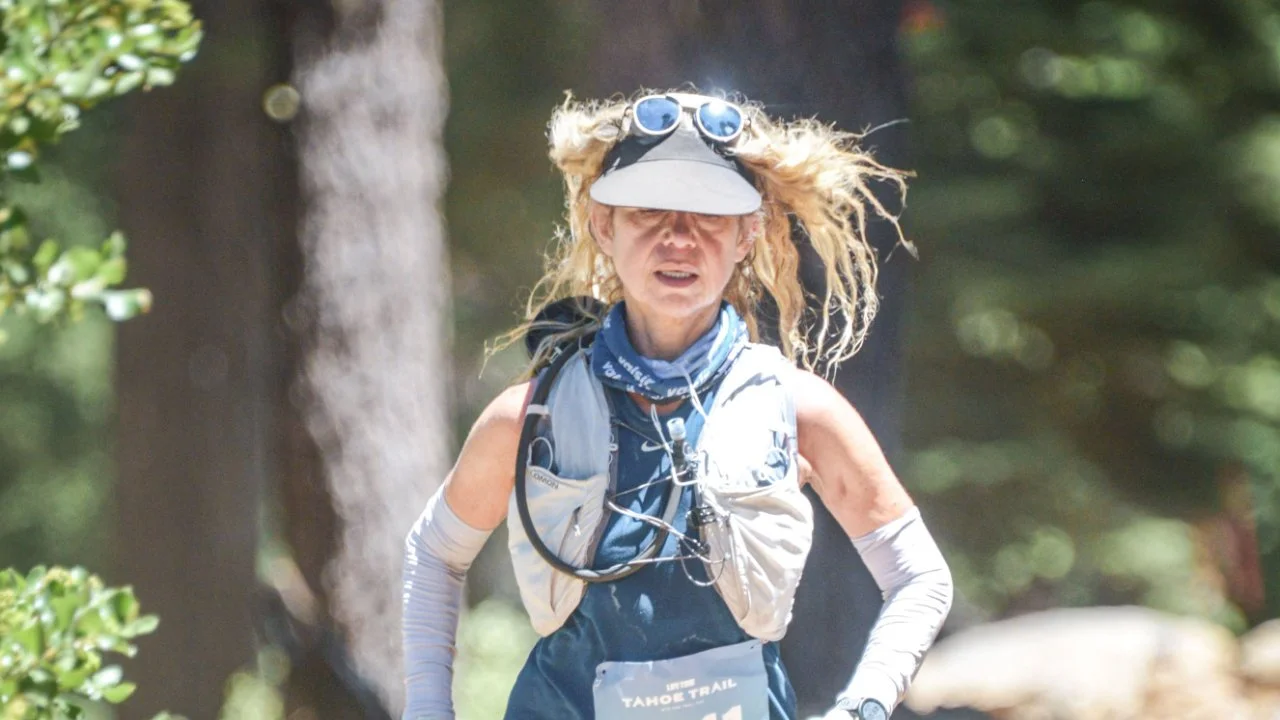
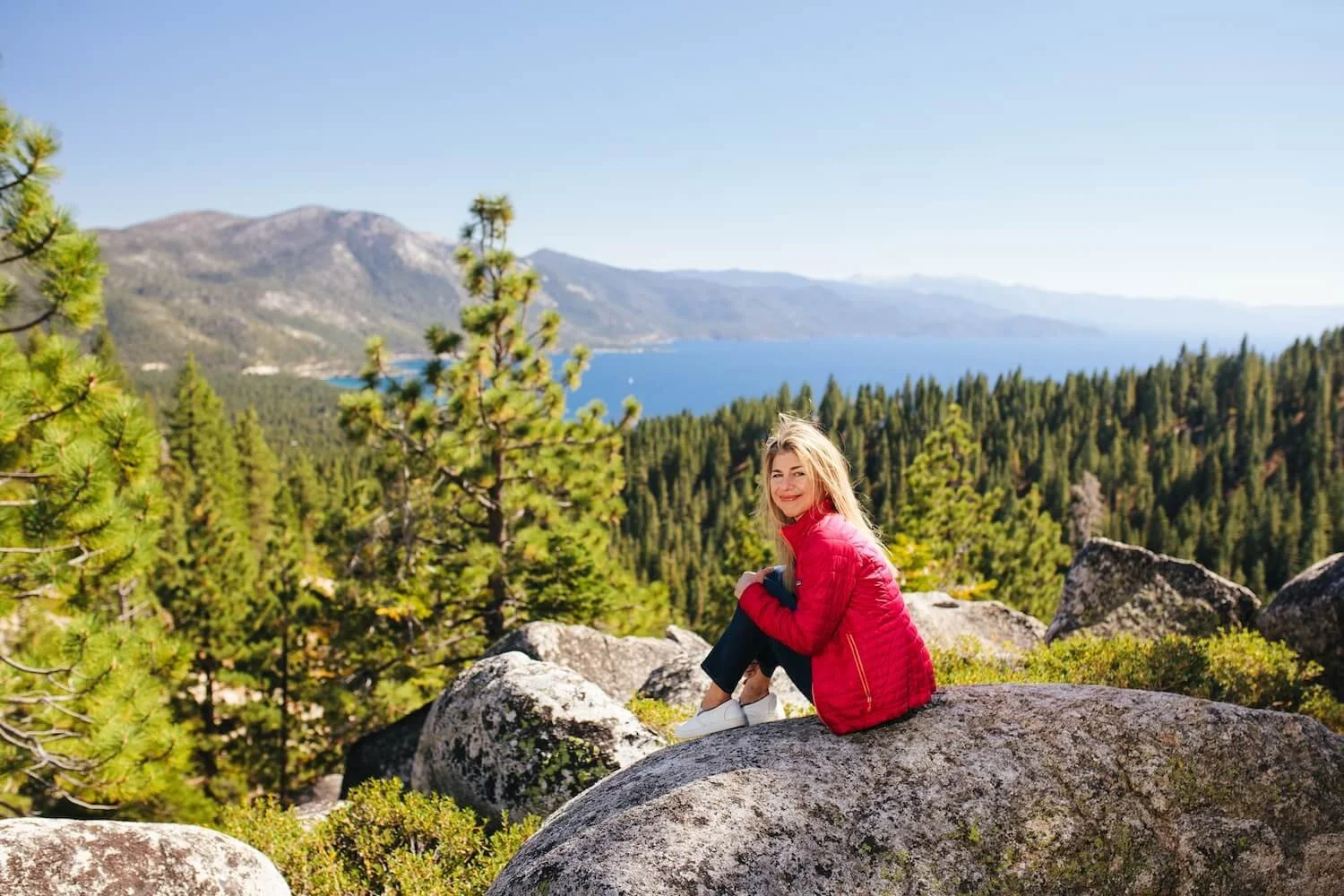
I live in Lake Tahoe now. I worked toward this for decades, and some mornings I still can't believe it's real. I run trails through forests that are so quiet they make my thoughts louder, and I've learned that this is the point. Not to outrun the thoughts.
But to finally hear them.
There was a time when every mile I ran was measured, optimized, and aimed at a faster pace or a longer distance. More, better, faster—applied even to the one activity that was supposed to be my refuge. I don't run that way anymore. I still race. I still push. But the running itself has become something different. It's where I go to practice being in my life rather than ahead of it.
That shift—from always racing toward the next thing to being fully alive inside the thing I'm already doing—is the hardest thing I've ever learned. Harder than opening a business at sixteen. Harder than starting over after a divorce. Harder than reinventing myself at midlife. Because it asks you to trust that who you are right now, in this incomplete and imperfect moment, is enough. And for a woman who has spent her whole life proving herself through what she accomplishes next, "enough" is the most radical word in the language.
I'm not saying I've mastered it. I haven't. I'm saying I've tasted it. And once you've tasted it, the old way of living—the constant acceleration, the hamster wheel disguised as ambition—becomes impossible to return to. Not because it was wrong. It built everything I have. But because you now know there's another way to be alive, and you can't unknow it.
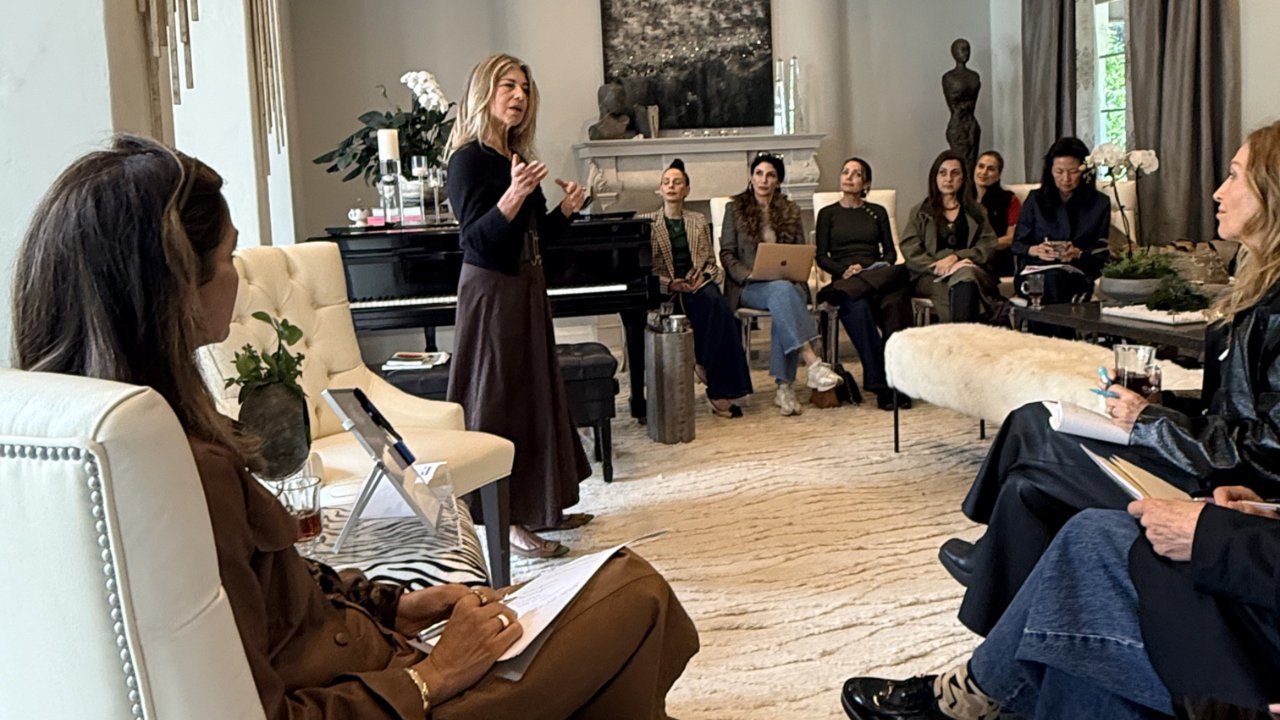
I don't know exactly what to call this work I do now. "Coaching" is the professional word, but it's never felt quite right. What I actually do is more like what a midwife does—I help women deliver the next version of themselves. The version that's already alive inside them, that they can feel moving, but that hasn't yet been born. And like any birth, it requires patience, courage, and someone in the room who has been through it before and isn't afraid of the mess.
If you're the woman I described at the beginning of this piece—the one with the feeling she can't name, the one who is proud of what she's built and restless for what's next, the one who is finally, finally accepting the full size of her own desire.
I see you. And I was you.
And the next chapter is closer than you think.