What Netflix, Wine, and Vacations Can't Actually Give You

Want to listen to the article instead? Tune into Spotify.
A client recently asked me a question that stopped me mid-sentence: "Why do I have everything I wanted and still feel like something's missing?"
She wasn't unhappy, exactly. She had pleasures—good meals, vacations, the occasional indulgence. She even had moments of happiness. But she couldn't shake the feeling that she was going through the motions of a life rather than actually living one.
I've heard versions of this question hundreds of times. And I've come to believe it points to a confusion most of us carry—a confusion between pleasure, joy, and aliveness. We use these words interchangeably, but they're not the same thing. And until we untangle them, that "something missing" feeling persists.
So let me try to untangle them.
Pleasure
Pleasure is what we feel when we consume—a good meal, a Netflix binge, a glass of wine, a vacation.
There's nothing wrong with pleasure. But pleasure is temporary by nature. It asks to be satisfied now and doesn't care about the price your future self will pay.
And no matter how much we consume, pleasure alone never makes us feel fully alive. Often, it leaves us feeling less vital than before, even a little drained. Think the morning after a hangover and the vacation we often need after the vacation!
Joy
Joy is different. Joy is what we feel when we connect—to life, to others, to ourselves. Joy doesn't deplete us.
The sun on your skin. Laughter at inappropriate times. Holding a newborn. A walk on the beach, barefoot. Time with your children.
These aren't consumptive pleasures; they're moments of genuine connection that leave us more alive than we were before.
Joy is also more accessible than we think. Unlike happiness, which is a state of being that takes work, commitment, and time, joy can be created in any moment through a single action.
This is why I encourage my clients to create a Joy List—a running inventory of the things that immediately make them feel good without negative consequences. Not buffering. Not numbing. Just... life, showing up as itself.
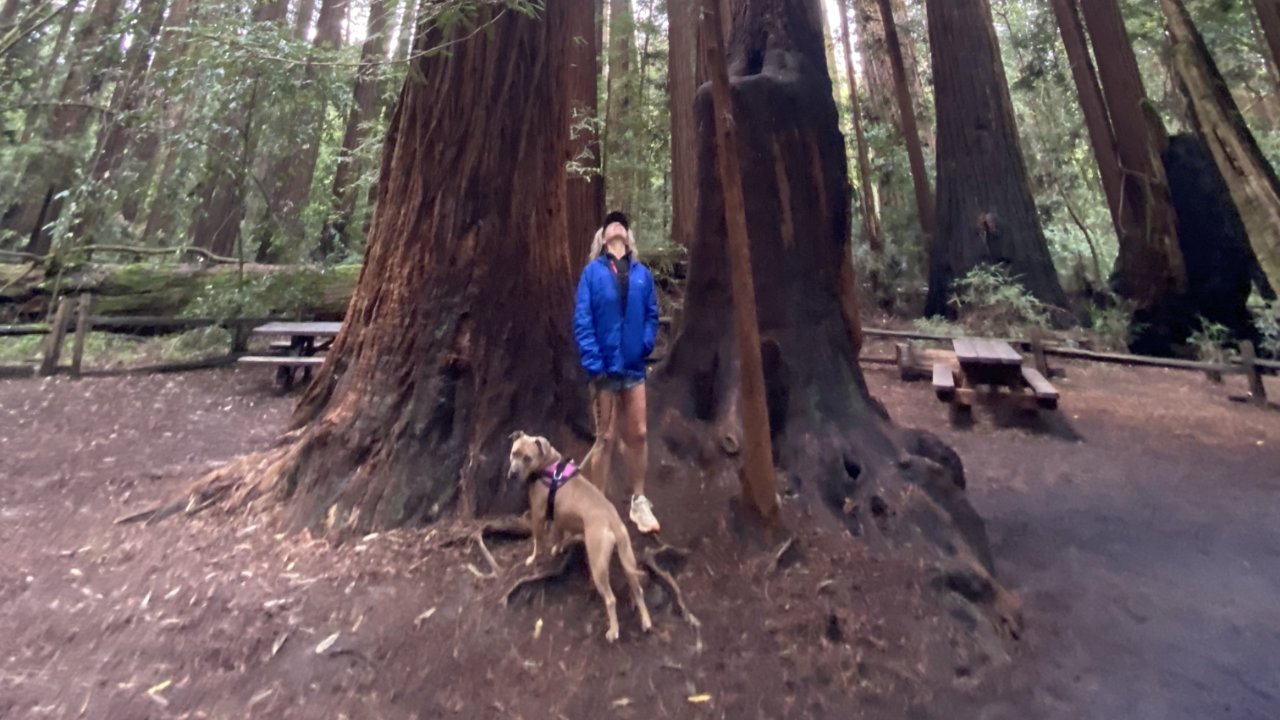
Here are a few items on my Joy List, in no particular order: my morning latte ceremony, barefoot beach walks, the first few seconds after waking up when I realize I'm still here, mischief, radical generosity, time on trails, holding hands, swimming in Lake Tahoe, and yes—Instagram dog reels.
These are not grand achievements. They are small, reliable doorways back to feeling alive.
But there's a third level beyond pleasure and even beyond joy. And that is aliveness itself.
Aliveness
Aliveness comes from fully engaging with work, relationships, and challenges that are aligned with who we are. And here's the paradox: aliveness doesn't always feel good. The things that make us most alive often require the full spectrum of emotions—not just the pleasant ones.
Parenting, when aligned with our purpose, is not always pleasurable. But it makes us feel engaged, animated, alive. Work that feels purposeful will be demanding, stressful, and even boring at times—but it will never feel deadening. The relationships that matter most will challenge us, frustrate us, and require us to grow. That's how we know they're real.
Buffering with alcohol, food, or distraction may bring pleasure and even a measure of temporary happiness, but it will never bring aliveness. It makes us feel less vital, not more.
So how do we find what makes us alive?
A good place to start is by noticing contrast. What work, relationship, or hobby elicits the full range of emotions—not just the comfortable ones? If something feels good all the time, it's likely not a candidate for purpose. If engaging with it requires you to be creative rather than comfortable, you're probably on the right track.
Robert Greene puts it beautifully in Mastery: "Engaged in the creative process, we feel more alive than ever, because we are making something and not merely consuming, masters of the small reality we create."
I encourage you to sit with this question: What work, relationship, or hobby makes me feel alive?
Don't be afraid to answer honestly. Identifying your deepest desires doesn't mean you're required to act on them immediately. Clarity is its own gift.
It's like turning on the light in a dark room you've been navigating blind. First, let's see what's in the room.
And while you're exploring the big questions, don't neglect the small joys. Make your Joy List. Return to it when you're depleted. Let it remind you that aliveness isn't always found in grand purpose—it's also found in sun on skin, trails underfoot, and laughter that arrives at exactly the wrong moment.
We need both: the simple joys that restore us and the purposeful challenges that stretch us. Together, they make a life that feels fully lived.