The Power of Creating a Joy List
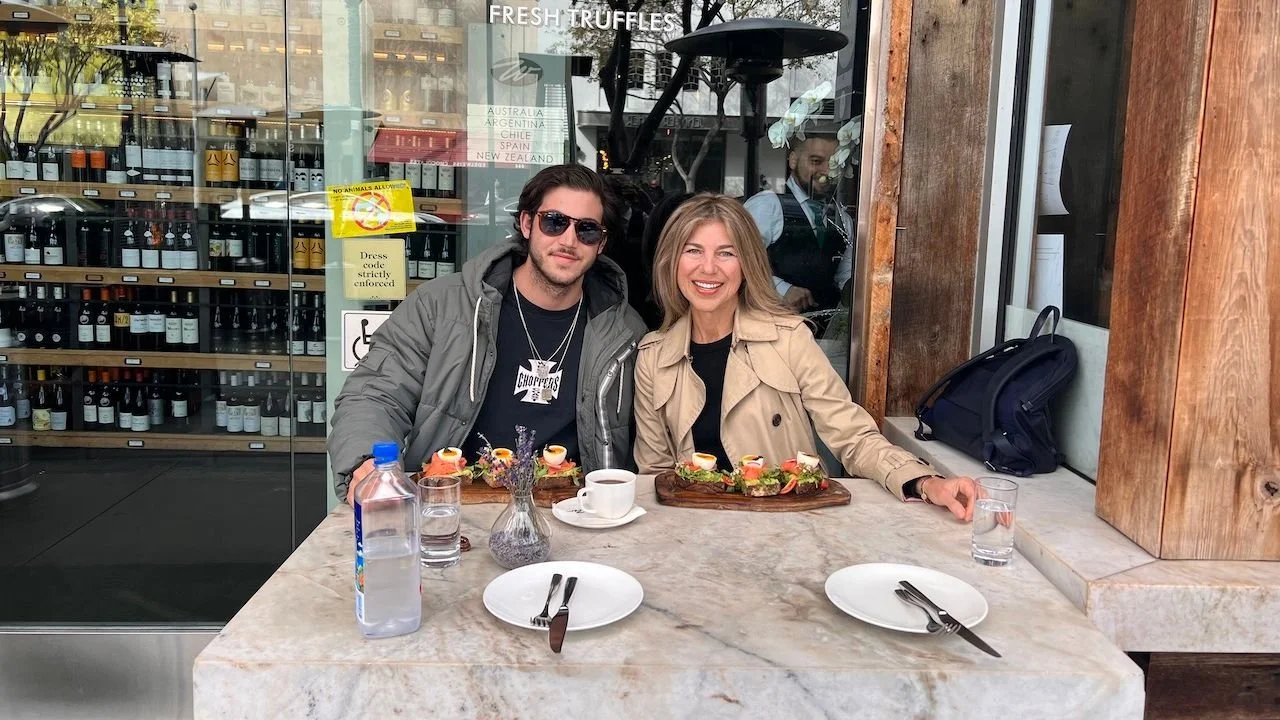
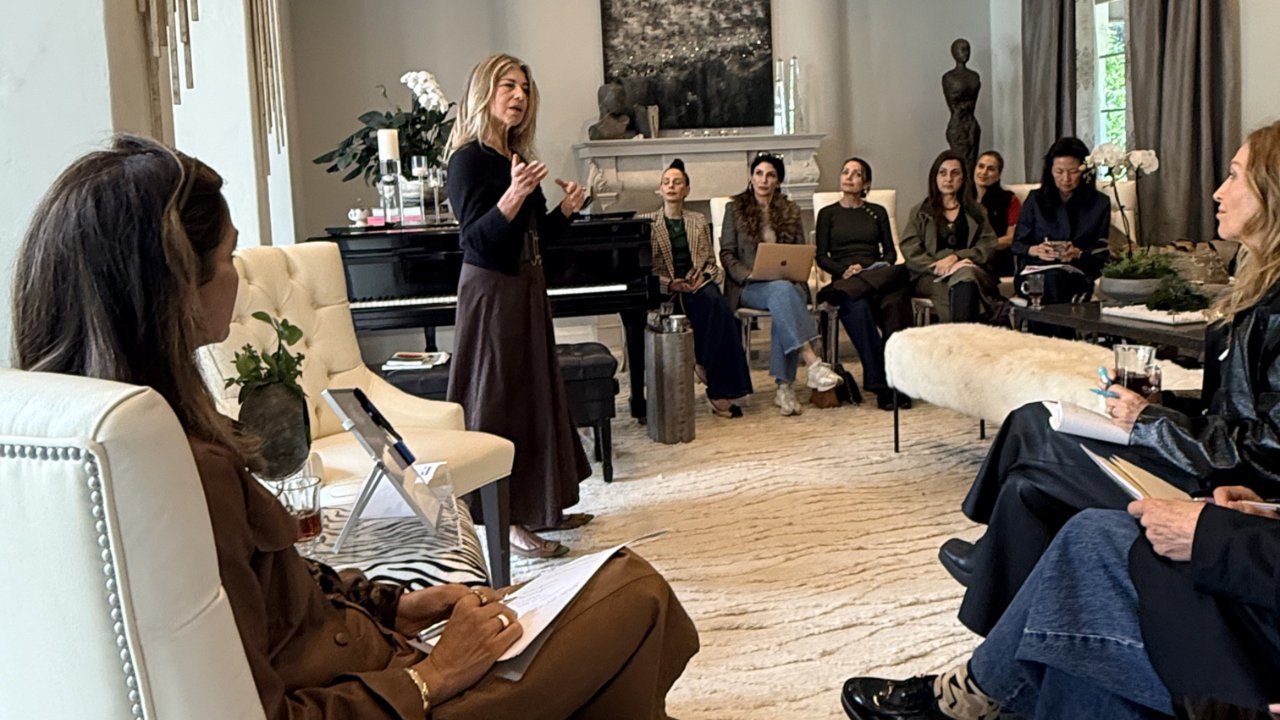
Last week in The Wisdom Circle, my private coaching group of extraordinary women, we explored joy.
So many of us confuse joy with happiness. Let me explain.
Happiness is a state of being.
Joy is an emotion created in any given moment through an action.
No quick fix or Instagram preacher can get us to happiness immediately.
Happiness takes work, commitment and time.
Joy, on the other hand, can be created at any moment by checking our handy “Joy List” and taking action on one or more of the things that immediately make us feel good.
Listen, I’m not talking about the kind of pleasures that have negative consequences. I’m talking about those things that always make us feel good—if we allow them to.
Here (in no particular order) are a few items on my Joy List:
Delicious healthy food
Barefoot beach walks
The sun on my skin
Spending time with my children
A steaming hot Epsom salt bath
Holding a newborn in my arms
Luxury hotel beds
Mischief
Instagram dog reels
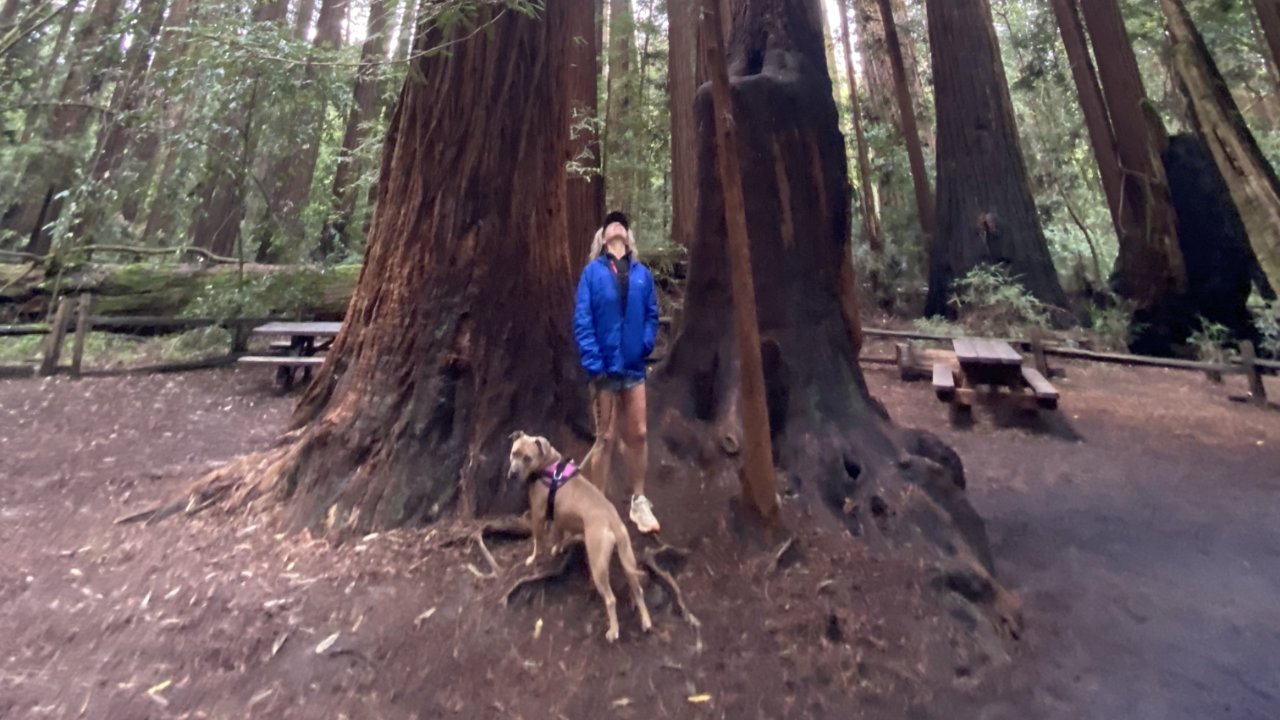
Time on trails
Eating foods I’ve bought at a Farmers Market
My morning latte ceremony
Swimming in Lake Tahoe
Laughter at inappropriate times
Flirting
Holding hands
Radical generosity
The first few seconds after waking up when I realize that I’m still here!
What’s on your’s?
If I were allowed to keep only one tool in my coaching toolbox, with every other system and framework taken away, I know which one I'd keep. It's the one I call GIGO. Garbage in, garbage out. It's a crude name for an idea that turns out to be ancient. There's a line in Proverbs I've been sitting with, chapter 4, verse 23. It's usually translated, "Above all else, guard your heart, for from it flow the springs of life."

I hear these words often from my clients, regardless of age or background. They express a universal wish for the three C’s—Clarity, Courage, and Confidence—that so many people hope to gain from professional coaching. But let me share a dirty little secret of the work. The problems we think we're facing because we lack clarity, courage, or confidence are rarely the actual problem.
I'm working with a client who was a colleague of mine when I was a fashion executive. Working together is putting it generously, because I ran a flagship and she ran an entire corporate department. She's younger than I am, but I looked up to her the way a child looks at an adult, as though they're invincible.

The agreements we make with each other shape the relationships we get. One of the most valuable relationships in my life is with the women in my private coaching group, The Wisdom Circle. By design, no one here is new to coaching, and the group's greatest value lies in the collective wisdom the women share with one another.
The Jewish New Year is almost upon us. And the recurring refrain in my mind is, "Phew. We made it!" I don't know what this year cost each of you, and I'm not going to pretend I do. But I know we're here. We took some dodgy turns and weren't sure we could handle the curves. We were scared and anxious and wanted to zone out with Netflix. We fell, got back up, and lived to tell.

In the last post, we did the work of a designer. We listened, researched, budgeted, and sketched. We designed the life. But I left you with a hard truth: a design isn't a building yet. An architect can produce the most beautiful set of plans you've ever seen, and you still can't live in a drawing. At some point, she has to stop sketching and build, because endless redesign is slow and expensive.

If I had it my way, I'd call what I do life design rather than life coaching. Life coaching implies that I somehow get my clients to find the discipline, heretofore missing in their lives, to finally reach their goals. Nothing could be further from the truth.
What if becoming more knowledgeable doesn't lead to more fulfillment and success in life? How would we live differently if we believed that? Would we consume less content, read fewer books, and pay less attention to experts? That seems like the natural result of such a belief. But seriously, who would want that? And what kind of Life Coach would recommend it?

I heard Shelly-Ann Fraser-Pryce say five words recently that I haven't been able to put down. She's the Jamaican sprinter, the most decorated 100-meter runner in history. She was on Mel Robbins' podcast, talking about doubt, age, and the belief that your best days are behind you. And in the middle of it, she said this: "Time will honor your greatness."
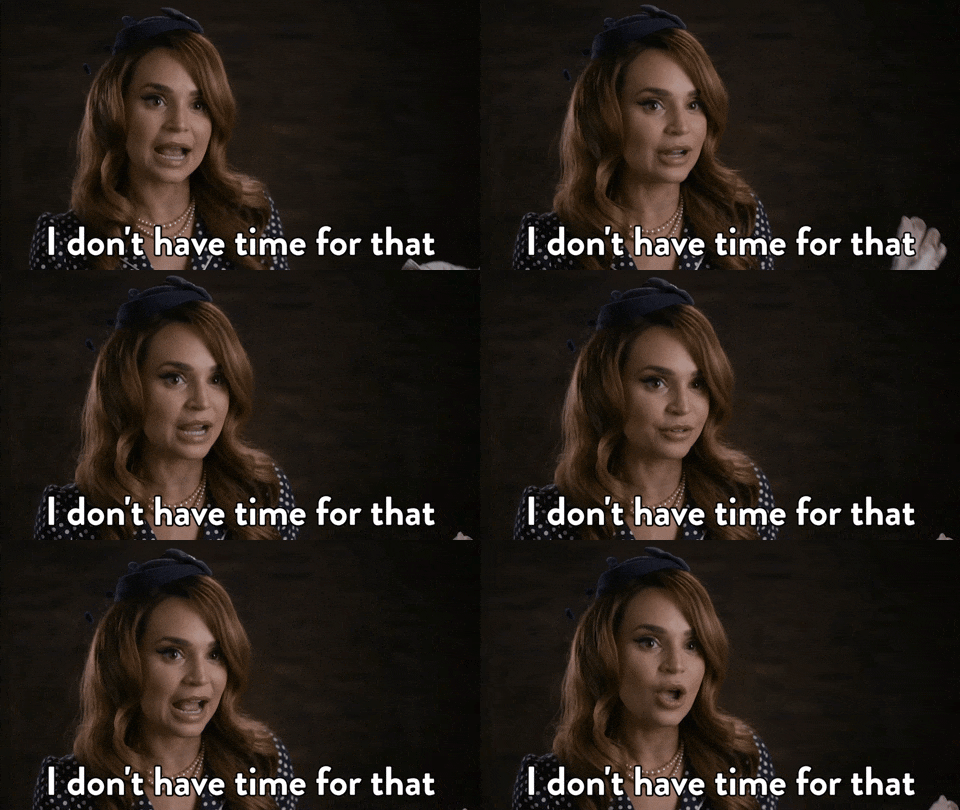
When was the last time you heard yourself, or someone else, say "I don't have time for that!" in response to a request for some kind of commitment? Recently I sat with an extraordinary young woman. She's ambitious, warm, the kind of person who lights up a room, and I learned that she hasn't slept properly in about a decade. This past year she's mostly been getting her eight hours, and she still feels exhausted to the bone. She falls asleep in the middle of tasks. She fights to stay energized.