Graceful Aging? No Thanks.
Want to listen to the article instead? Tune into Spotify.
Things that age well:
Humans who take care of themselves
Life lessons
Wine
Cheddar cheese
Grandparents
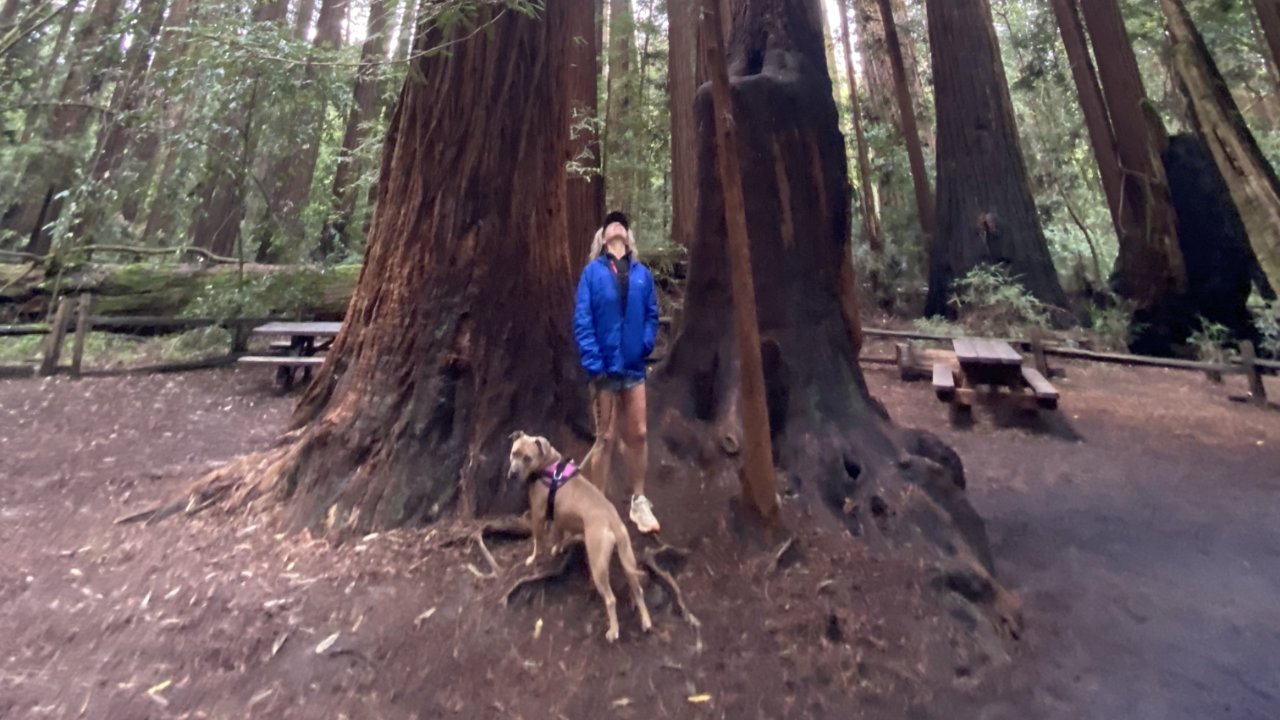
Trees
Well-worn jeans
Kids (with a bit of luck)
You and me
The one thing that does not age well:
Problems.
Culturally and socially, we've got a problem with aging. We desperately want to stay alive for as long as possible—as evidenced by the boom in all things longevity—and yet we really, really don't want to get older.
I'm surrounded by people whose reaction to another birthday is more akin to mourning than celebration. I don't get it. Would they rather be dead? Because it seems obvious that the only alternative to aging is death.
To be fair, I don't love some of the outward signs of aging either. But I've come to see these changes as the fee for living longer—not a fine.
I'm all for looking as great as we possibly can at any age. But my deepest commitment at this stage of life, beyond my work as a coach, is to be a stand for powerful aging. Note: I did not say "graceful" aging. I have zero intention of dancing into the sunset gracefully. Anyone who knows me will confirm that I work hard to age well.
But when I look around for inspiration, what I most often see is fear. And riding shotgun is always desperation.
The bigger issue is cultural. We've absorbed the belief that getting older is a bad thing—something to be attacked and corrected with every weapon at our disposal. Young is better than old in every way, and it's our job to fight aging and its unwelcome gifts.
This belief is understandable given our country's cumulative age. By most measures, America is still in its adolescence compared to older cultures. We're not great students of history and context. We're behaving like typical teenagers who think they know best and find older people annoying and irrelevant. The “cultural” prefrontal cortex hasn't kicked in yet.
I know, because I was that teenager.
But at this point in my life, I find myself surrounded by successful, intelligent, high-achieving people who still hold a teenage mindset about aging. A mindset that holds us back from living with the kind of ease, joy, and purpose that no procedure can deliver.
I don't know if this cultural mindset will shift in my lifetime. But I am wholly committed to doing all I can to change, and hopefully, elevate the conversation.
What's more important than how we feel about ourselves?
If your answer is "nothing," well, mine is too. And feeling bad about our bodies as they change is getting in the way of that goal.
I don't have a simple solution for turning this ship around. But here are five practices that, in my experience, can help shift how we think about aging.
The first is to understand your own "why" for living with purpose.
As Simon Sinek says, start with why. My why today is not what it was in any other decade of my life. Yours won't be either. Take your time with this. Give yourself the gift of working it through with a professional. Every other step is built on this foundation. A powerful “why” will naturally lead you to focus less on a valueless distraction, often dressed up as, “What else can I do to my body and face?”
The second is to be worldly.
Expose yourself to other cultures and social norms. Our American beliefs about aging—harmful and often blatantly wrong—were formed in a tiny pond. More generous, more useful beliefs will come from elsewhere. As Einstein said, "We cannot solve our problems with the same thinking we used when we created them."
The third is to speak the whole truth, not just parts of it.
Sit with anyone in the second half of life, and they will tell you that the gifts of aging far outweigh the burdens. The wisdom of age eclipses the knowledge of youth by leaps and bounds. Yes, maybe we can't go as fast. But we know how to go far. If you're an elder, speak the whole truth. If you're younger, ask for it.
The fourth is to double down on what makes you feel alive.
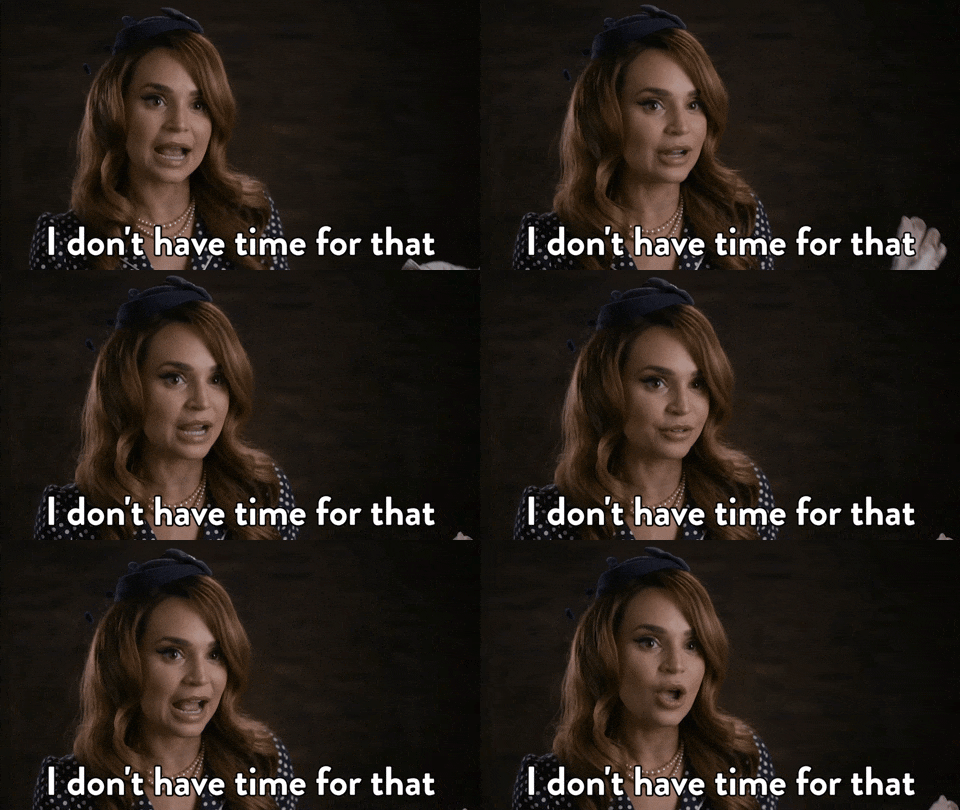
This is different for each of us, but we can all benefit from two lists: the To Feel Alive List and the Things I No Longer Have Time For List. Edit them regularly.
The fifth is to ruthlessly protect your sleep.
Forget that old saying we loved to throw around in our youth: "I'll sleep when I'm dead." Most of the people who lived by that principle are dead—or look it. Good sleep is the greatest blessing and the actual elixir of youth.
Aging is not the enemy. Our beliefs about it are.