Same Mistakes, More Years: Why Experience Isn't Enough

Want to listen to the article instead? Tune into Spotify.
Julius Caesar said, "Ut est rerum omnium magister usus"—experience is the best teacher. We've repeated this so often it's become an unquestionable truth, something we tell ourselves and our children to soothe the pain of our mistakes.
But is it actually true?
What I've learned from coaching accomplished adults navigating the second half of life—and from my own experience-rich years—is this: experience is necessary but not sufficient to gain wisdom, not just information.
We are all surrounded by people (and sometimes that person is me) who continue to make the same errors and repeat destructive patterns regardless of how well they know better and how deeply they want to change.
The boss who leads by expectations rather than agreements.
The parent who, despite knowing better, continues to control their child's outcomes.
The spouse who wants peace and connection but would rather be right—who listens only to prove their point.
The list is endless, and we are all guilty of these repeated offenses.
But some of us are less guilty than others. These are the people who know how to transform experience into wisdom. And it comes down to a single practice: reflection.
The catch is that reflection requires something high-achieving people find almost impossible to do—slowing down.
It would have been more accurate for Caesar to say, "Experience can be the best teacher."
Once we slow down, we gain awareness—the starting point of any sustainable change. And the action that mines wisdom from experience, not just knowledge, is reflection.
This is why masterful coaching works—reflection is the most-used tool in any skilled coach's toolbox.
But reflection is not rumination. Although it's possible to reflect deeply in your own head, it's far more common to access real insight by externalizing—taking something inside us, a thought or feeling, and expressing it in words.
Think of a washing machine mid-cycle. Through the glass, you see bits and pieces—colors, fabrics, a sock here, a shirt there. It's not until you take every piece out and lay them on a surface that you recognize what was actually in the machine.
Our mind is like that washing machine. We live with the misunderstanding that more thinking leads to more insight.
It doesn't. More thinking just leads to more thinking.
We need to take the clothes out and look at what we have.
There are three ways to do this.
The first is to speak to a professional.
Get your thoughts, feelings, and words out into a conversation with someone who has no agenda but to help you reflect and access your own wisdom. You can try this with someone in your circle, but be aware—those who love us most almost always have an unconscious agenda about what's best for us. That kind of reflection often leads to more confusion, not less.
The second is to write.
Getting words on paper is an extraordinarily powerful means of reflection. I'm often asked how I developed the discipline to write consistently. The truth is, it's no longer discipline—it was in the beginning, as required for any habit to take root. Now, I write about what I most need to learn.
The third is community.
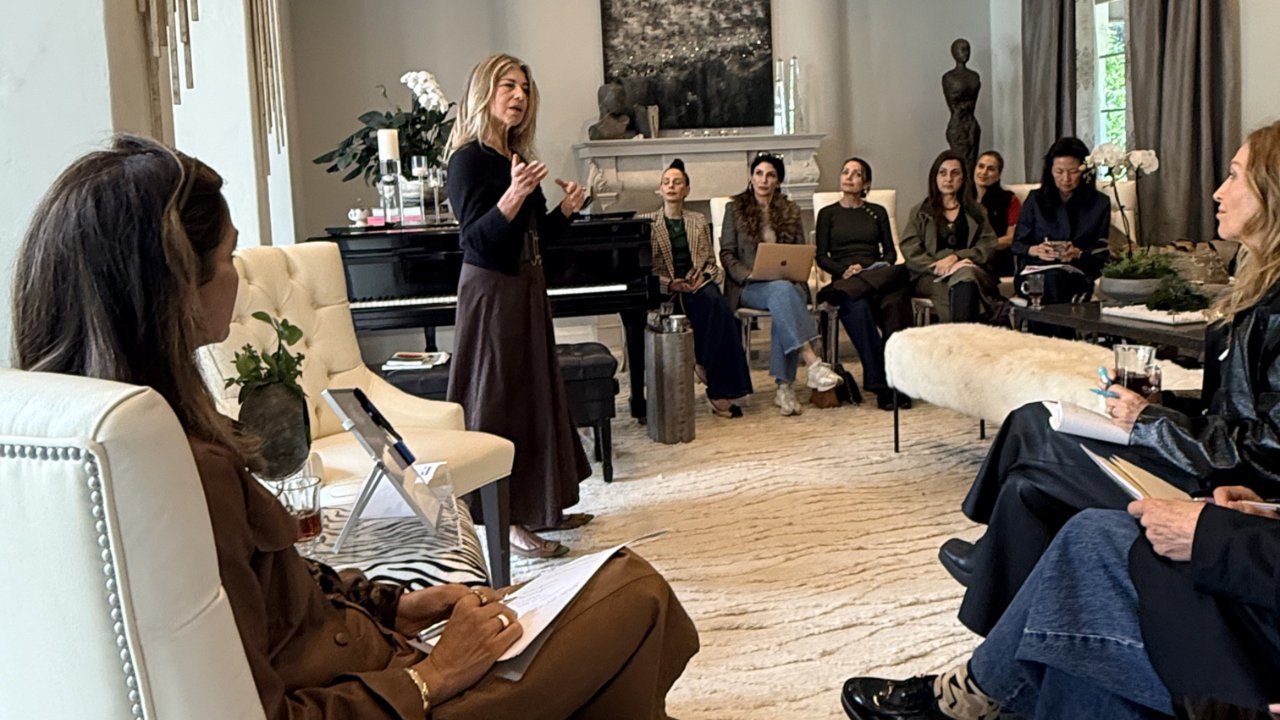
Find or create a group of people on the same path of growth and mastery. Make sure it's a community that holds space for reflection and is committed to its members' growth above all else.
How are you creating opportunities for reflection in your days?
Your answer will determine whether you are becoming wiser—or just more experienced.