Your Heart Has a Spam Filter: How 4 Environments Shape the Life That Flows Out of You
Want to listen to the article instead? Tune into Spotify.
If I were allowed to keep only one tool in my coaching toolbox, with every other system and framework taken away, I know which one I'd keep.
It's the one I call GIGO. Garbage in, garbage out.
It's a crude name for an idea that turns out to be ancient. There's a line in Proverbs I've been sitting with, chapter 4, verse 23. It's usually translated, "Above all else, guard your heart, for from it flow the springs of life." That translation has been worn smooth by overuse, so let me give you what the Hebrew actually says, because it's sharper than the greeting card version.
The word for heart is lev. In biblical Hebrew, lev is not the seat of feeling the way we use "heart" today. It's the seat of will, thought, and decision—the inner room where we become who we are. And the word for "guard," nitzor, is the language of a watchman at the gate of a city—awake, vigilant, deciding what gets in and what stays out. So the verse isn't telling us to protect our feelings. It's telling us to stand watch at the entrance to the self.
Here's how I've come to understand it. The heart, in this sense, is the entrance to the soul. What we let in through the gate becomes what flows out of us, into our days, our work, our relationships, and the people we're raising. Everything downstream depends on what we admit upstream. That is GIGO, three thousand years before I gave it a clumsy acronym.
Which raises the practical question. If the job is to guard the gate, where exactly is the gate?
Most of us assume our environment is our physical surroundings and stop there. But we live inside four environments at once, and things flow into us through all four. If you want to change a habit and you only guard one, the other three will undo you. So here are the four gates.
Physical Space
This is the one we know. External order tends to create the internal space in which clarity can arise, which is why nearly every spiritual practice begins by asking you to prepare your surroundings before anything else.
The plain version: try to lose weight with a pantry full of your favorite chips, and let me know if you turn out to be the exception. Most of us aren't. The space decides more than the willpower does.
People
We take on the values, moods, and habits of the people we're around most. This happen so slowly that we don't notice it happening. Parents feel this instinctively, which is why we care so much about who our children spend their time with, and then forget to apply the same scrutiny to ourselves.
I take my clients through an exercise I call an Energy Audit. We sort the people in their lives into those who drain them and those who energize them, and the ones they are ambivalent about. Then I teach them how to reduce that draining time, and even fully remove the drains when possible. They learn to do this delicate work strategically and always with kindness toward the people they're choosing not to let through the gate.
Consumption
The obvious version is food and drink. The more important version is everything else we take in: the books, the music, the podcasts, the feeds, the gossip. All of it becomes the raw material of our thoughts, and our thoughts become the life we build.
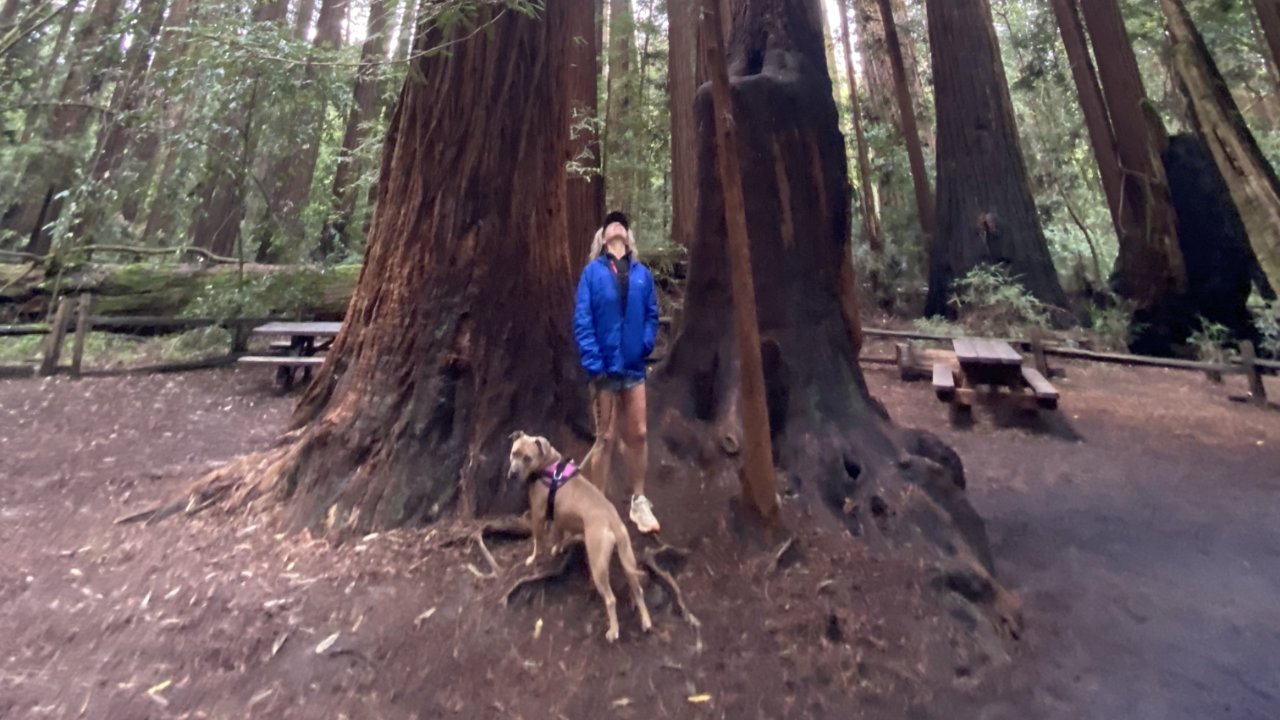
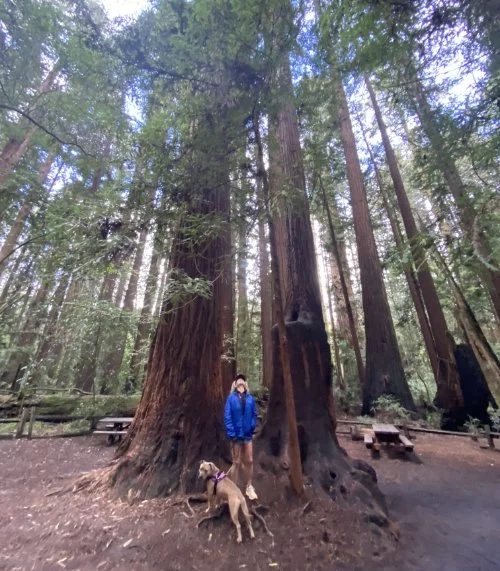
Here's my own confession on this one. I love pit bulls. I have one, and I adore her. At some point, my social media feed figured this out and began serving me pit bull reels without end—the adorable ones, the heartbreaking cruelty ones, the urgent adoption ones. There is nothing wrong with any of it.
But I have a very full life, and my focus is not infinite, and one day I realized how much of that finite focus I'd been spending on sweet dogs I was not, at this point in my life, going to adopt. Busying the mind with a problem you've decided not to solve is one of the most common ways of wasting our attention. So I made the decision not to adopt a second dog right now, and then I went through the feed and unfollowed every one of those accounts.
I closed a gate. My love for pitbulls remains but thankfully so does my precious attention and focus.
Culture
Every unit has one, whether it's Google, a sports team, a family, or a marriage. Culture is the quiet decider of who we become. It sets the norms and values of the group, no matter how large or small, and the culture two people build in a marriage shapes their outcomes as surely as the culture of an entire country shapes its own.
When I coach CEOs who want to fix things through strategy—and there is a real place for strategy—I take them to culture first, because I've watched it win every time. MIT professor Edgar Schein said it best: culture eats strategy for breakfast.
Four environments. Four gates. Guard only one, and you'll keep wondering why the change won't hold.
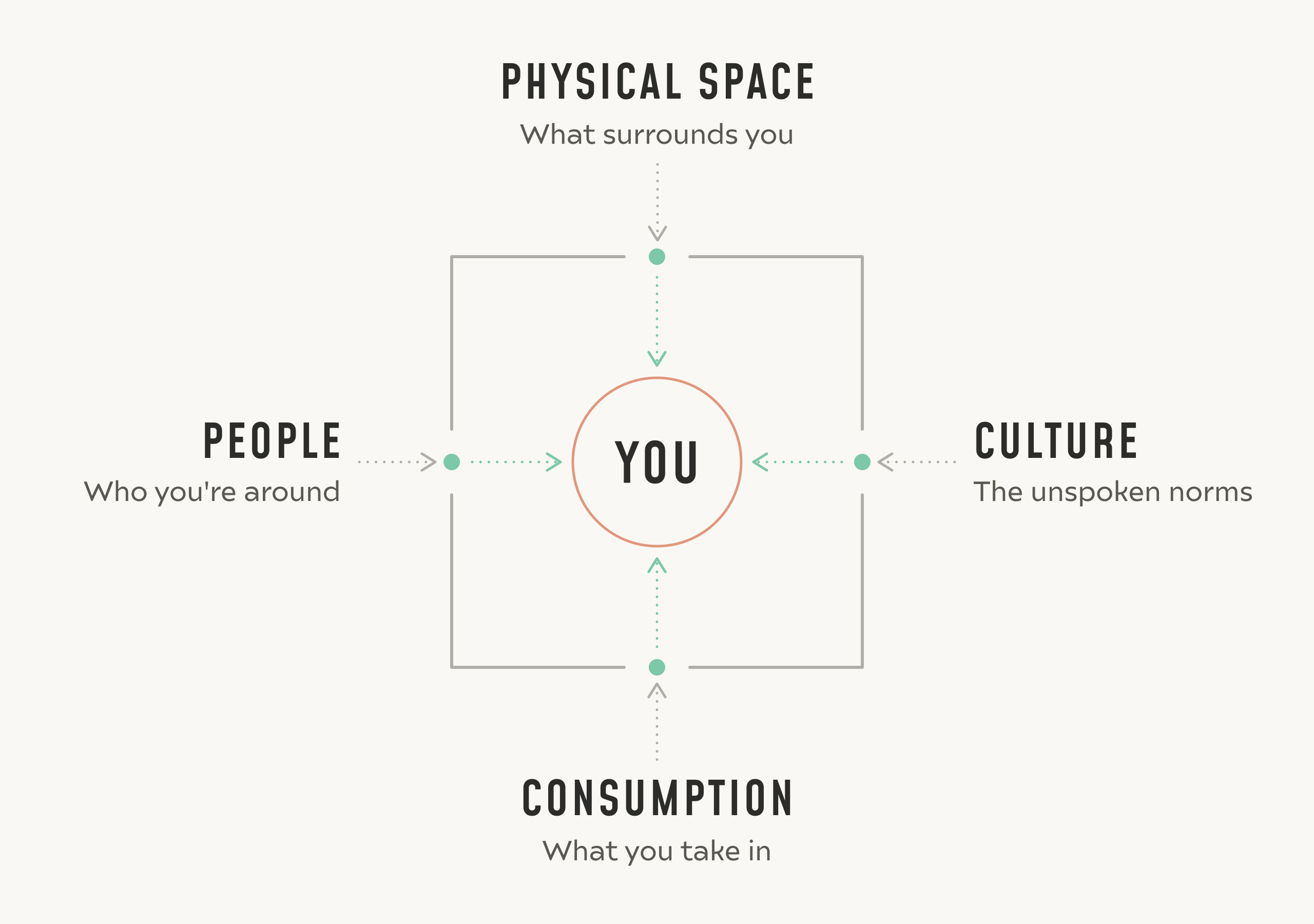
The verse says to guard the wellspring above all else, and I've come to think it means this literally. The life that flows out of you—the work, the relationships, the patience or the reactivity, the joy or the depletion—is made of what you let in.
So the first move is never a burst of willpower. It's awareness. Mentally and physically walk your four environments and notice, honestly, what you've been admitting through each gate. What garbage is coming into your space, your circle, your consumption, your culture? Make a list because that list, unglamorous as it is, is the beginning of every change that actually lasts, because you cannot guard a gate you refuse to look at.