Want to listen to the article instead? Tune into Spotify.
Chelo Kebab is arguably every meat-eating Iranian’s favorite dish.
It’s traditional, and it’s the dish many of us associate with our home country. We grew up eating it in Iran and have eaten it for the last forty years in America. It’s so good that most of my friends who aren’t Persian order it as takeout at least once a week.
I hadn’t had it for a long time, but last night I felt nostalgic and decided to go for it.
Oh, it was so good while I was eating it. But not so much afterward.
I woke up twice in the middle of the night from thirst. My throat hurt from all the spices, and I felt heavy, almost drugged, as my body was clearly struggling to digest food it was no longer used to. This morning, I felt sluggish and still full from the night before. My eyes were puffy, and my whole body felt unrested.
Without resistance or effort, I knew that I had had my last Chelo Kebab of this lifetime. Dramatic? Maybe. But also true.
You see, I don’t feel the need to test myself, my body, or my emotions when something or someone isn’t a match for me. Letting go of what’s not aligned is not difficult if we don’t attach all kinds of meanings to it.
A friend who has been in our life for a long time but now leaves us feeling drained and wanting to run 100 miles in the other direction can be let go of gently, kindly, and without attaching stories to what it means to no longer be friends. A food that makes us feel bad the next day can be let go of without sadness, but rather with gratitude for all the times it nourished us in the past.
But today I want to talk about the last times that we didn’t know were the last.
I started eating Kosher a couple of years ago. It hasn’t been difficult because I was ready for it, and I never felt that what I was giving up was equal to or more important than what I was gaining.
But there are moments like when I drive by In-N-Out Burger, and I feel a little sad. Not because I want to eat there, but because I don’t remember specifically the last time I did. Somewhere deep inside, I wish I could have known it was the last time so I could really savor that meal. I rack my brain to remember that one time and perhaps re-appreciate the moment.
But I can’t remember.
So, here’s the thing.
The last time I had a burger at In-N-Out or a Chelo Kebab isn’t much of a big deal. But the last time I hugged my friend Ahmed, who is no longer in this world, really, really matters, and it eats at me.
I’ll never know which hug was the last. Somewhere in forty years of friendship there was a final embrace I walked away from like it was nothing, because I had no reason to think it was anything. That’s the cruelty of the important last times; they are almost always disguised as an ordinary moment.
The fear of missing those “last times,” and the desire to appreciate and genuinely experience them, have changed how I live. It’s made me radically present, which is not the same thing as being vigilant.
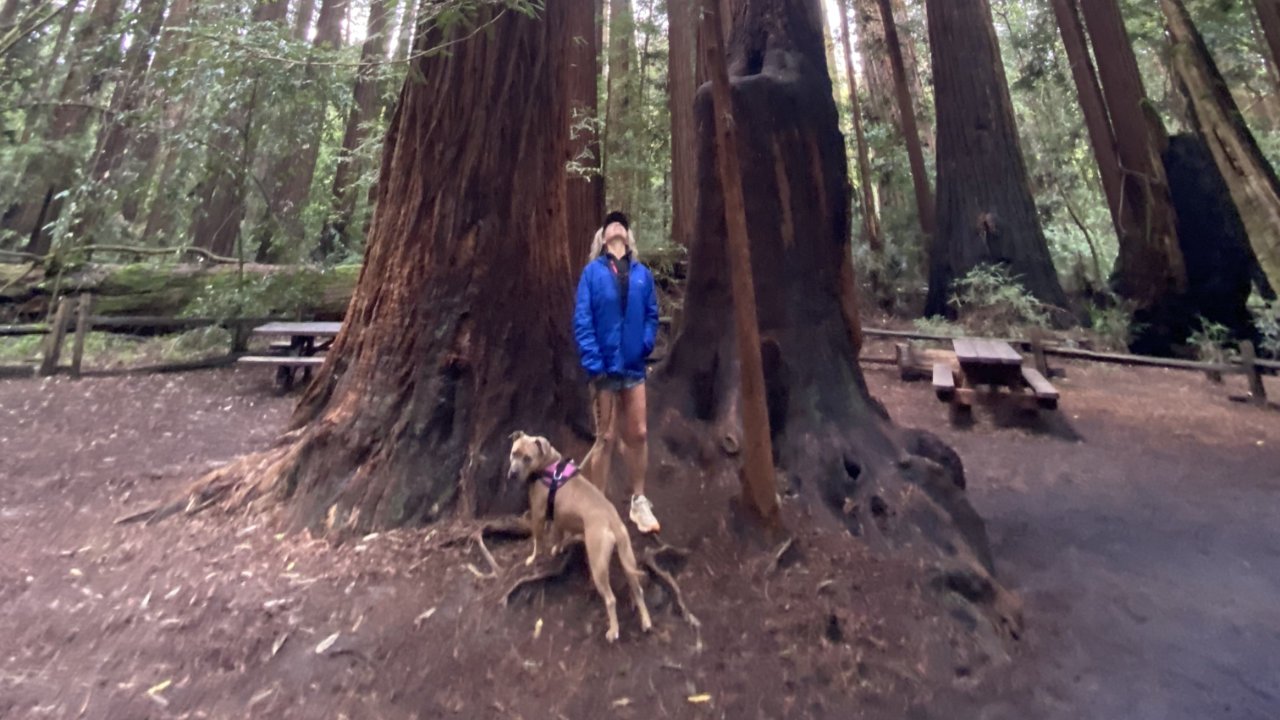
To be radically present is to live into every moment, especially those moments when I am interacting with loved ones, nature, and my work. It’s to keep bringing myself back to the miracle that is my daughter, my son, my body moving through the mountains, my partner, my work, the incredible client in front of me who is trusting me with their deepest goals and desires, clean water, food that miraculously nourishes me, my dog’s short and precious life, and my connection to God.
I don’t do this perfectly. But my goal for myself and my clients is not perfection.
It’s progress.
And progress, in relation to radical presence, looks like catching myself taking the experience for granted and leaving the present moment—emotionally, mentally, and spiritually, if not physically—to visit the past or the future.
You can always tell when this is happening. If you’re the one doing the proverbial leaving, you feel untethered. If you’re the one who has been left, you feel like the person is physically present but somehow not really with you. Both states feel deeply unsatisfying, even if we don’t realize it in the moment. They’re the time equivalent of junk food: calories but not nourishment.
You might think that keeping the possibility of the “last time” alive in my consciousness would make me, or my life, morbid. The opposite is true. Reminding myself that this run on the trails, this hug, this “I love you,” might be the last for this person or for me doesn’t darken anything. It wakes me up.
So as this year closes, I’m not making resolutions. I’m doing something subtle yet radical. I’m deciding, again, who and what matter most to me, and then holding them a little closer while they’re still here to hold. It’s the work of a lifetime, not a practice I’ll master overnight. But it’s the only way I know to meet the last times I’ll never see coming, and to cherish the ones I can.